What They Don't Tell You
A Denial Is Not the End of the Conversation
When a program tells you no, the first thing to do is find out exactly why. The reason matters more than the word.
5 min readRead Post
From Auntie Zari's Desk
I read the policies, sit with the fine print, ask the questions, and figure out what actually matters so you do not have to walk into every system blind. This is where we talk about what the forms do not explain, what people wish they knew sooner, what the policy actually means, and how to move when the system gets complicated.
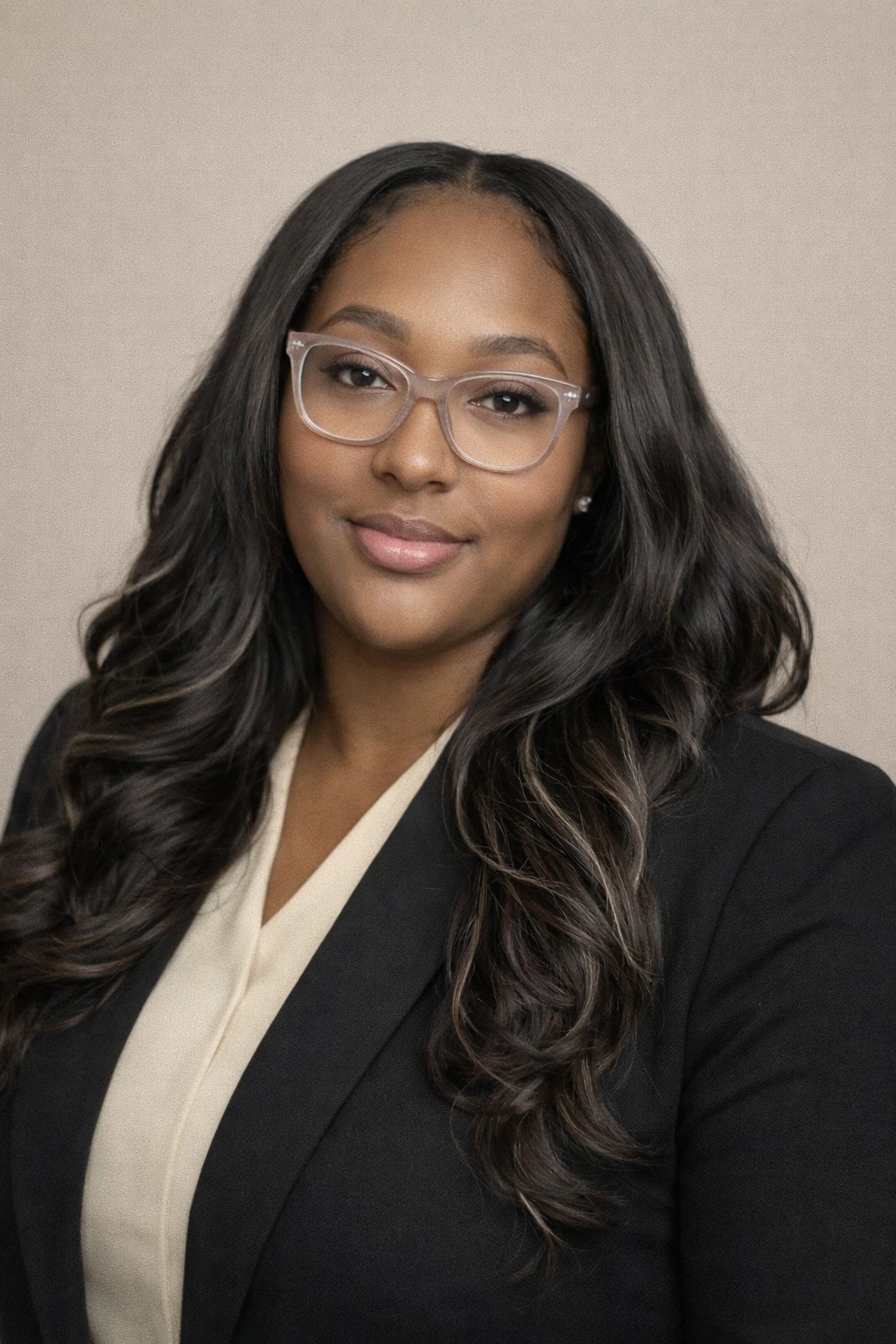
Zari Moore
Social Work Professional · Community Resource Navigator · Founder, Black & Board
"Resources are not truly accessible if people cannot understand how to use them."
Meet the Founder
Zari Moore is a social work professional, graduate-level social work student, community resource navigator, advocate, and founder of Black & Board. Her work has centered on helping individuals and families navigate systems that are often complicated, fragmented, and difficult to understand. Her background includes child welfare, family support, disability services, resource coordination, public benefits navigation, advocacy, community engagement, and working directly with families across Metro Atlanta.
Zari created Black & Board from a simple belief: resources are not truly accessible if people cannot understand how to use them. Through her professional experience, education, and community work, she has seen how often people are handed a phone number, website, referral, form, or program name without being given the information they actually need to move forward. Black & Board was built to help close that gap.
Zari's approach is rooted in practical support, person-centered advocacy, cultural responsiveness, and the belief that people deserve information that is clear, useful, and respectful. She is especially passionate about helping families understand systems, advocate for themselves, prepare before they apply, ask better questions, and know what to do when the process does not go the way they expected.
Her goal is not to make people experts in every system. It is to make sure they do not have to walk into those systems blind.
Want to reach Zari directly? zari.moore@blackandboard.com
From Auntie Zari's Desk
What They Don't Tell You
When a program tells you no, the first thing to do is find out exactly why. The reason matters more than the word.
Baby, Read This Part
"I sent it" and "here is the confirmation showing I sent it on Tuesday at 2:14 p.m." are two very different conversations.
Auntie, What Does This Mean?
Start with the problem. The program name comes later.
What They Don't Tell You
Eligibility means you meet the criteria. It does not mean the help is on its way.
Between the Block & the Boardroom
Handing someone a phone number without context is not the same as connecting them to help.
Auntie, What Does This Mean?
Your application is not stuck. It is waiting on something specific. Here is how to find out what.
From My Desk
The difficulty of navigating public systems is a design problem, not a personal one.
Between the Block & the Boardroom
A program that exists but cannot be reached is not a solution.